You’ll need to account for these fees in your G/L in order to complete the reconciliation process. Those payments are recorded in your G/L, but they have yet to hit the bank. You need to subtract both checks from your bank balance, as well as any other checks listed in your check which of the following is not a step in preparing a bank reconciliation? register that haven’t cleared. In other words, the adjusted balance as per the bank must match with the adjusted balance as per the cash book. In addition, there may be cases where the bank has not cleared the cheques, however, the cheques have been deposited by your business.
Errors Made by Your Business or your Bank
Therefore, while preparing a bank reconciliation statement you must account for any fees deducted by the bank from your account. When you prepare the bank reconciliation statement for the month of November as on November 30, 2019, the cheque issued on November 30 is unlikely to be cashed by the bank. This is done by taking into account all the transactions that have occurred until the date preceding the day on which the bank reconciliation statement is prepared. Such errors are committed while recording the transactions in the cash book. As a result, the balance as per the cash book differs from the passbook. At times, the balance as per the cash book and passbook may differ due to an error committed by either bank or an error in the cash book of your company.
- As mentioned above, debit balance as per the cash book refers to the deposits held in the bank.
- The company prepares the bank book while its bank prepares the bank statements.
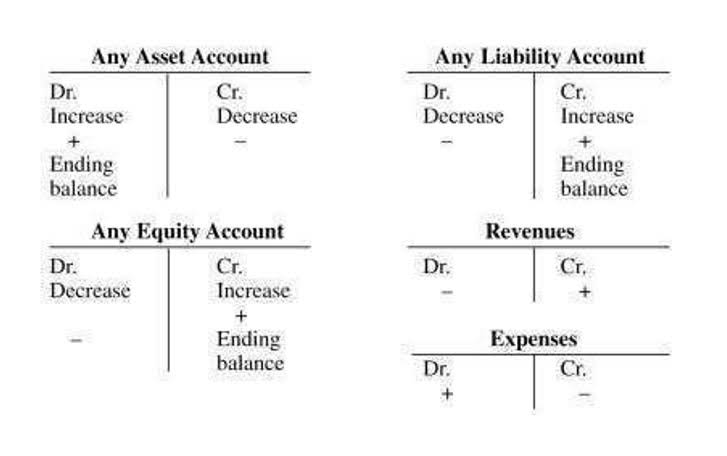
- Journal entries, also known as the original book of entries, refer to the process of recording transactions as debits and credits.
- If you don’t ensure the business and bank are on the same page, tiny mistakes can snowball into huge problems.
- If the company properly identifies all differences and adjusts them, there should be no remaining difference between the bank book and bank statement balances.
Detecting Fraud
It is also a good idea to mark any expenses that have already been included in the bank reconciliation statement to avoid any errors. On the other hand, deposits in transit are the opposite of outstanding checks. Deposit in transit refers to any checks that the company has received from another party, mostly customers. Deposits in transit are also checks that the company has presented to the bank, but the check did not clear before the preparation of the bank statement. More importantly, bank reconciliation can play a crucial role in catching any fraudulent activity.
Custodial Accounts Reconciliation
After fee and interest adjustments are made, the book balance should equal the ending balance of the bank account. A company prepares a bank reconciliation statement to compare the balance in its accounting records with its bank account balance. A bank reconciliation statement is a valuable internal tool that can affect tax and financial reporting and detect errors and intentional fraud. In the past, it was common for a company to prepare the bank reconciliation after receiving the monthly bank statement and before issuing the company’s balance sheets.
Once the adjusted balance of the cash book is worked out, then the bank reconciliation statement can be prepared. In this way, the number of items that cause the difference between the passbook and the cash book balance gets reduced. Furthermore, it gets easier to ascertain the correct amount of balance at the bank in the balance sheet. These charges may come in the form of bank charges, interest charges, or taxes levied by the government. However, the bank charges these amounts to its customers’ accounts directly.
- As a result, the balance as per the cash book differs from the passbook.
- Your business should still conduct general ledger reconciliations at least quarterly to catch errors in transaction amounts and categories.
- Most business owners receive a bank statement, either online or in the mail, at the end of the month.
- Therefore, you record no entry in the business’ cash book for the above items.
- Even if a perpetual system is used, it’s important to do a physical inventory count at least once a year to verify that inventory amounts on the books are in fact there in the warehouse.
- If you notice discrepancies in your accounts that can’t be resolved in other ways, you might need to consider this possibility.
You can access this data by referring to your last banking statement or logging into your online business bank accounting. Deposits in transit, outstanding checks, and bank service charges usually account for the difference between the company’s Cash account balance and the bank balance. You’ll need a bank statement for the period you want to reconcile, as well as your business’s accounting records for that period. For a proper reconciliation, these should contain all transactions – both incoming and outgoing. You’ll need to obtain the proper documents, compare your balances and transactions, and correct any errors. The first step is to get the monthly statement from the bank and compare it to the cash balance in the accounting records.

The general journal and general ledger still exist in the modern era of accounting, just not in an analog format. Instead of recording each transaction in two places, you record transactions once, reducing the likelihood of transposition errors. MYOB’s bank feeds feature can automatically pull in your transactions and create a bank reconciliation https://www.bookstime.com/ statement. Bank reconciliation in accounting is an important process that ensures your accounts all match and no financial issues slip through the cracks. The bank reconciliation process might seem simple on the surface — and it often is. In this article, we’ll explore the bank reconciliation process in detail and help you get started today.
How Often Should You Reconcile Bank Statements?
- If the business has a high volume of transactions, reconciliations should be done more frequently.
- The process of comparing two sets of records to detect any differences is known as reconciliation.
- The bank records all transactions in a bank statement (also known as passbook) whereas the customer records all their bank transactions in a cash book.
- Custodial accounts are often used by investment firms to hold securities for their clients.
- A bank reconciliation statement compares a company’s bank account balance to the balance on its accounting records.
There are many different types of reconciliations that can be performed in accounting. Some of the most common types include bank reconciliations, credit card reconciliations, and inventory reconciliations. This is when amounts on source documents are compared to amounts on company records. In order to prepare a bank reconciliation statement, you need to obtain the current as well as the previous month’s bank statements and the cash book. The very purpose of reconciling bank statements with your business’s cash book is to ensure that the balance as per the passbook matches the balance as per the cash book.